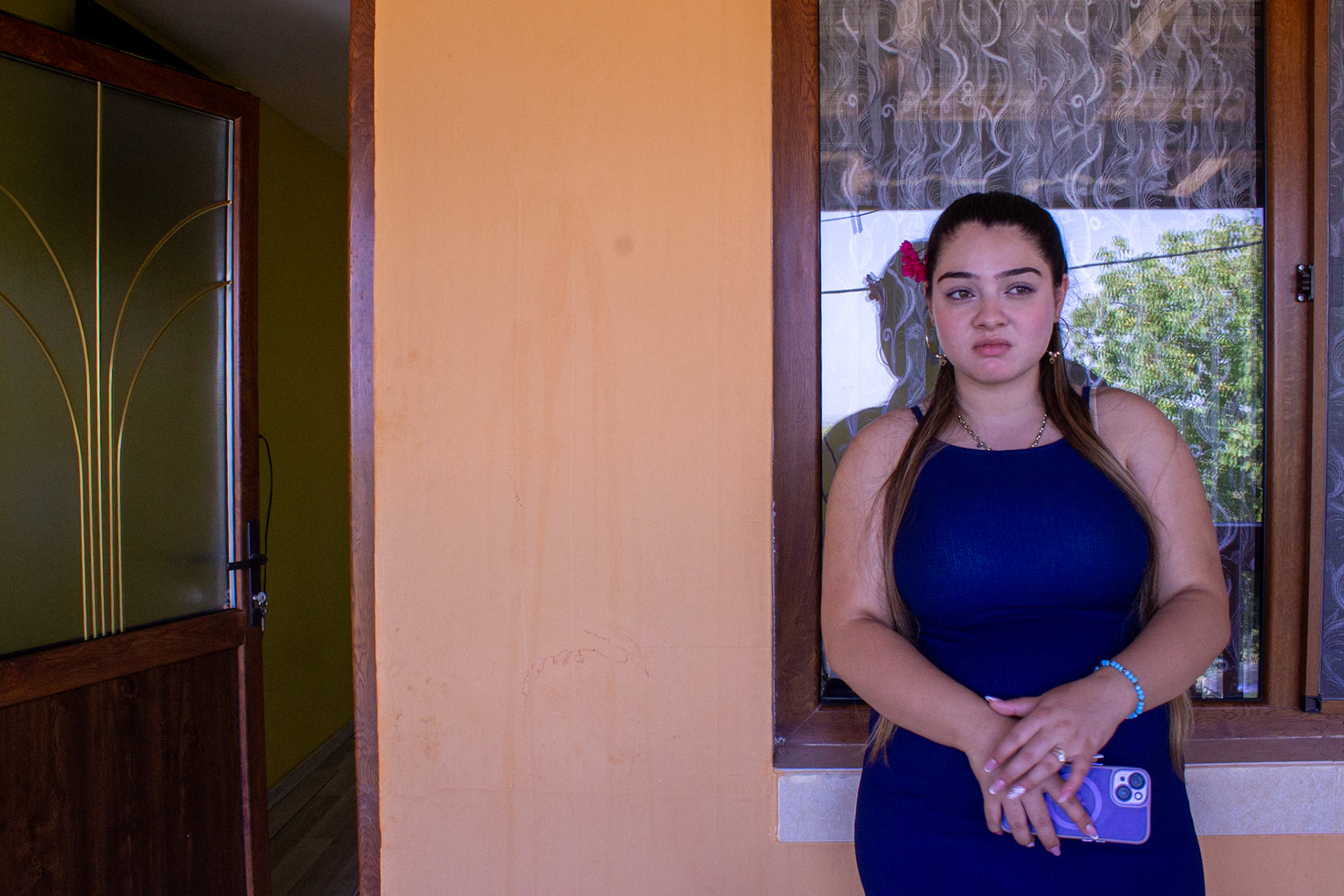
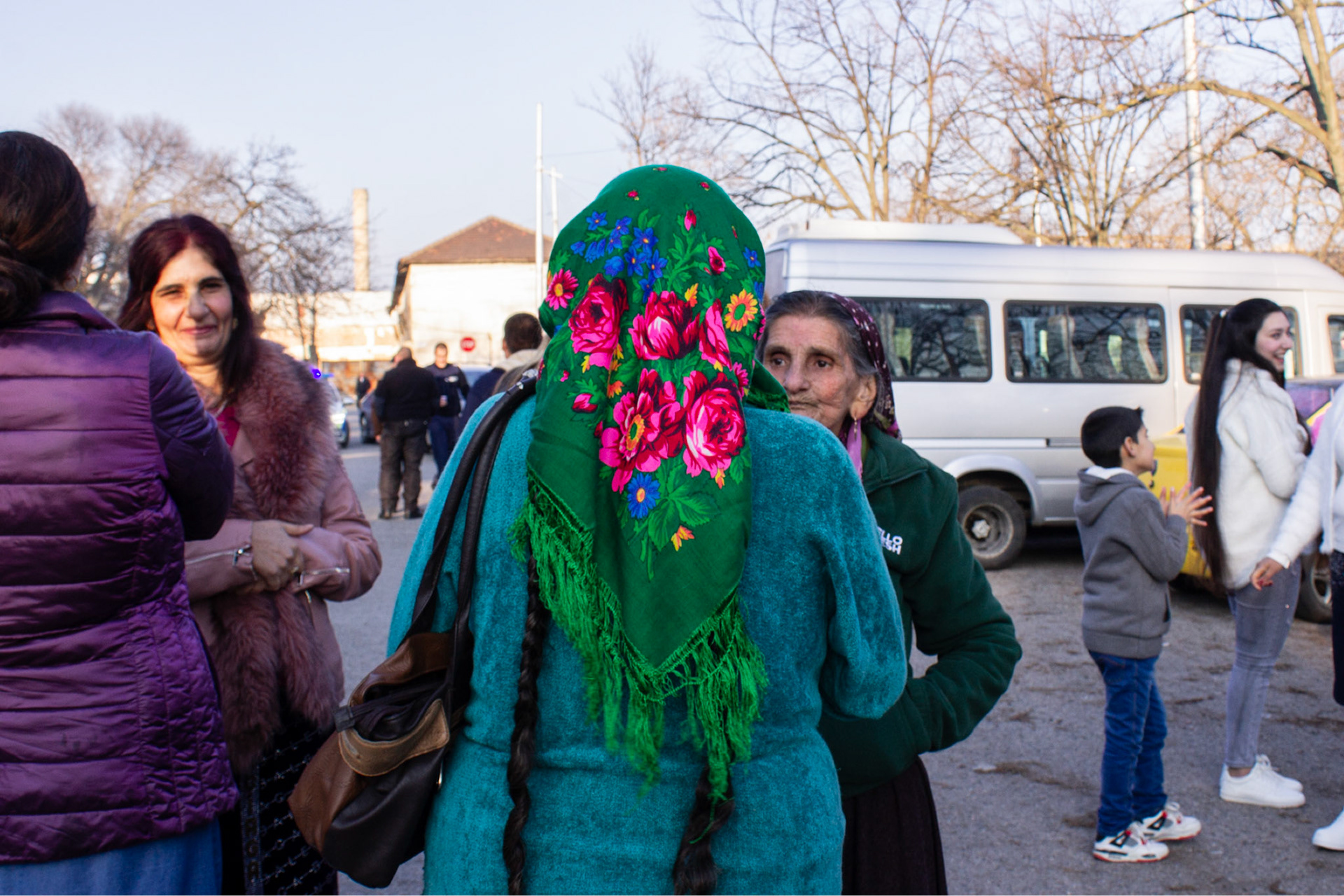
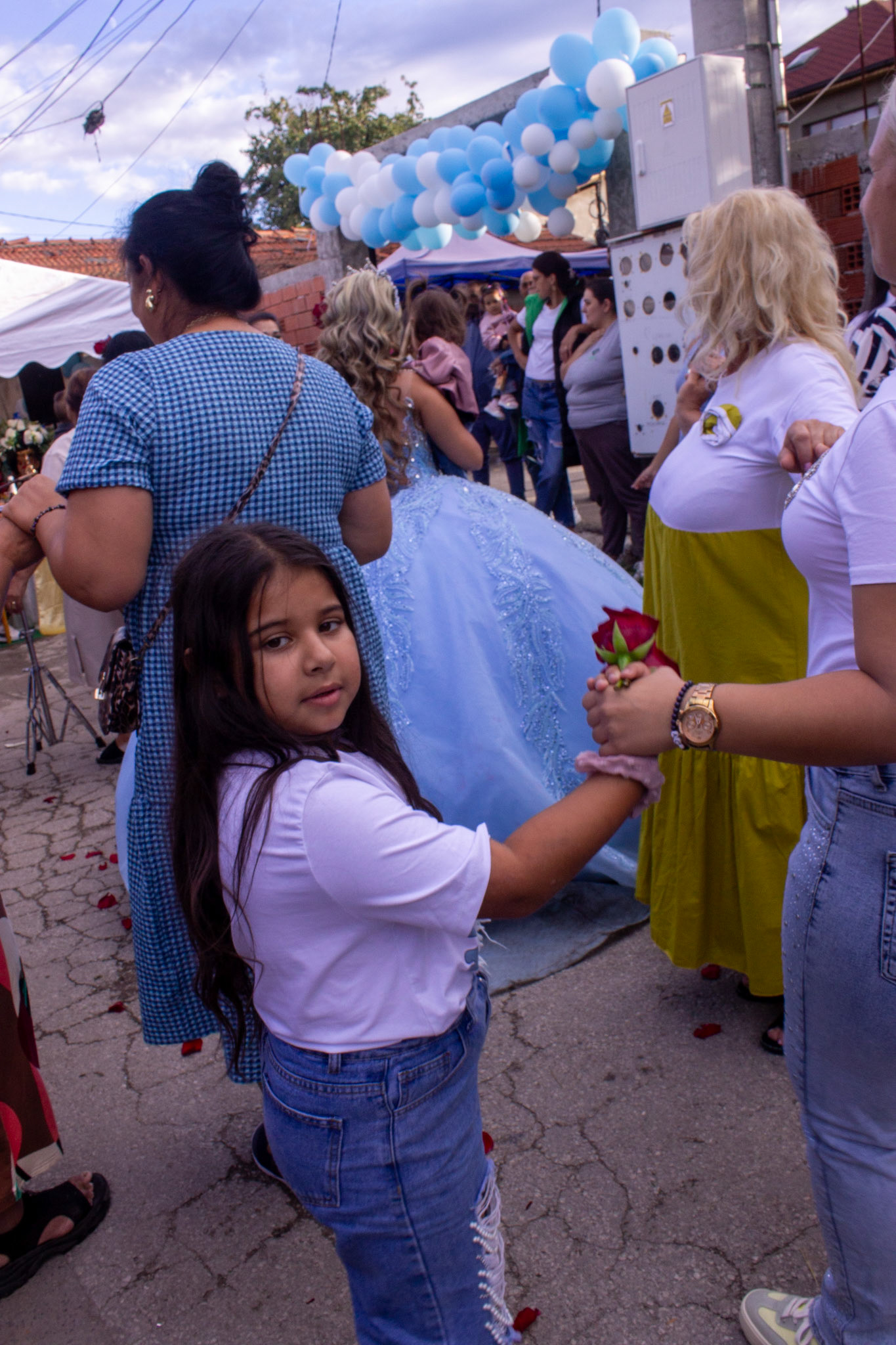
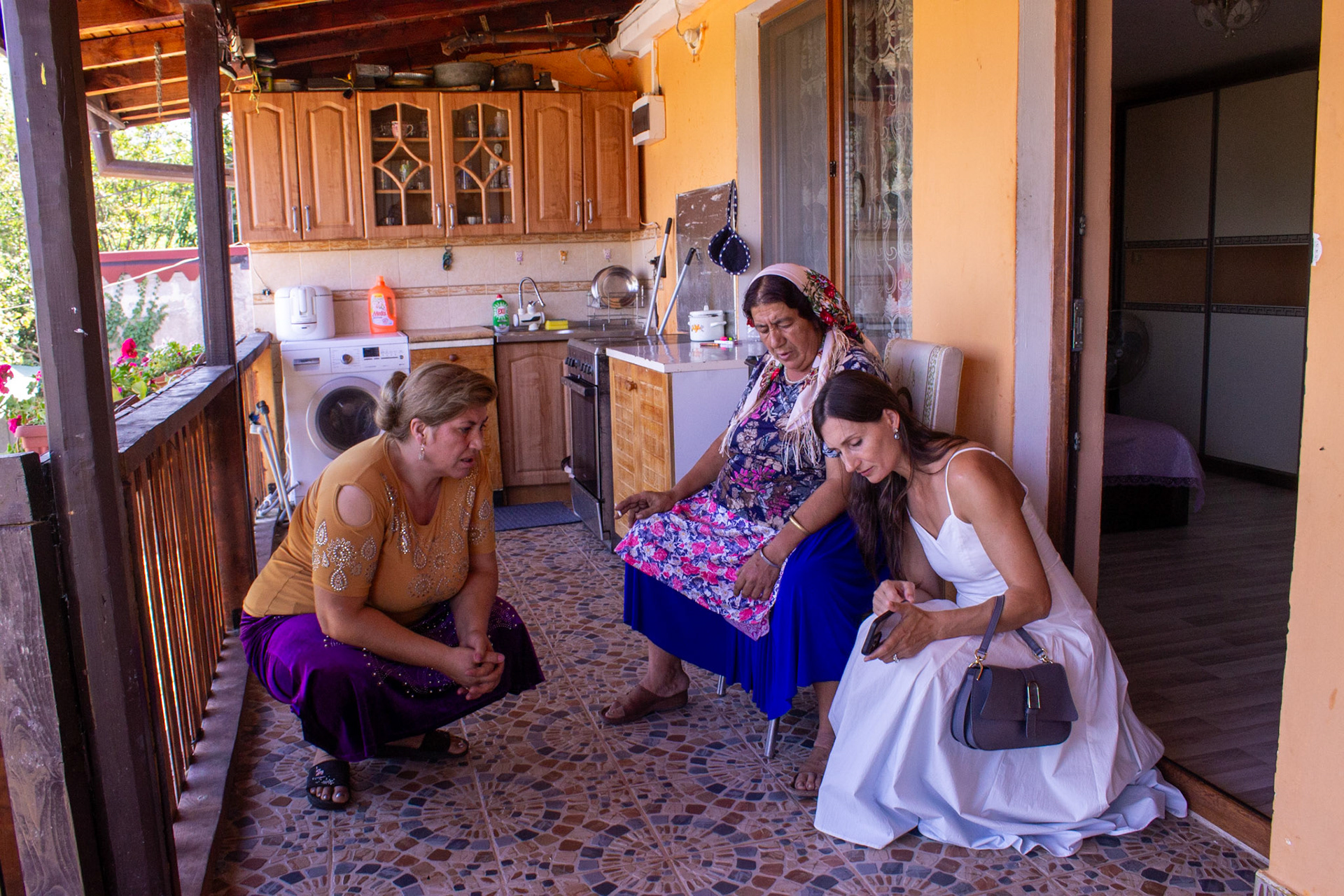
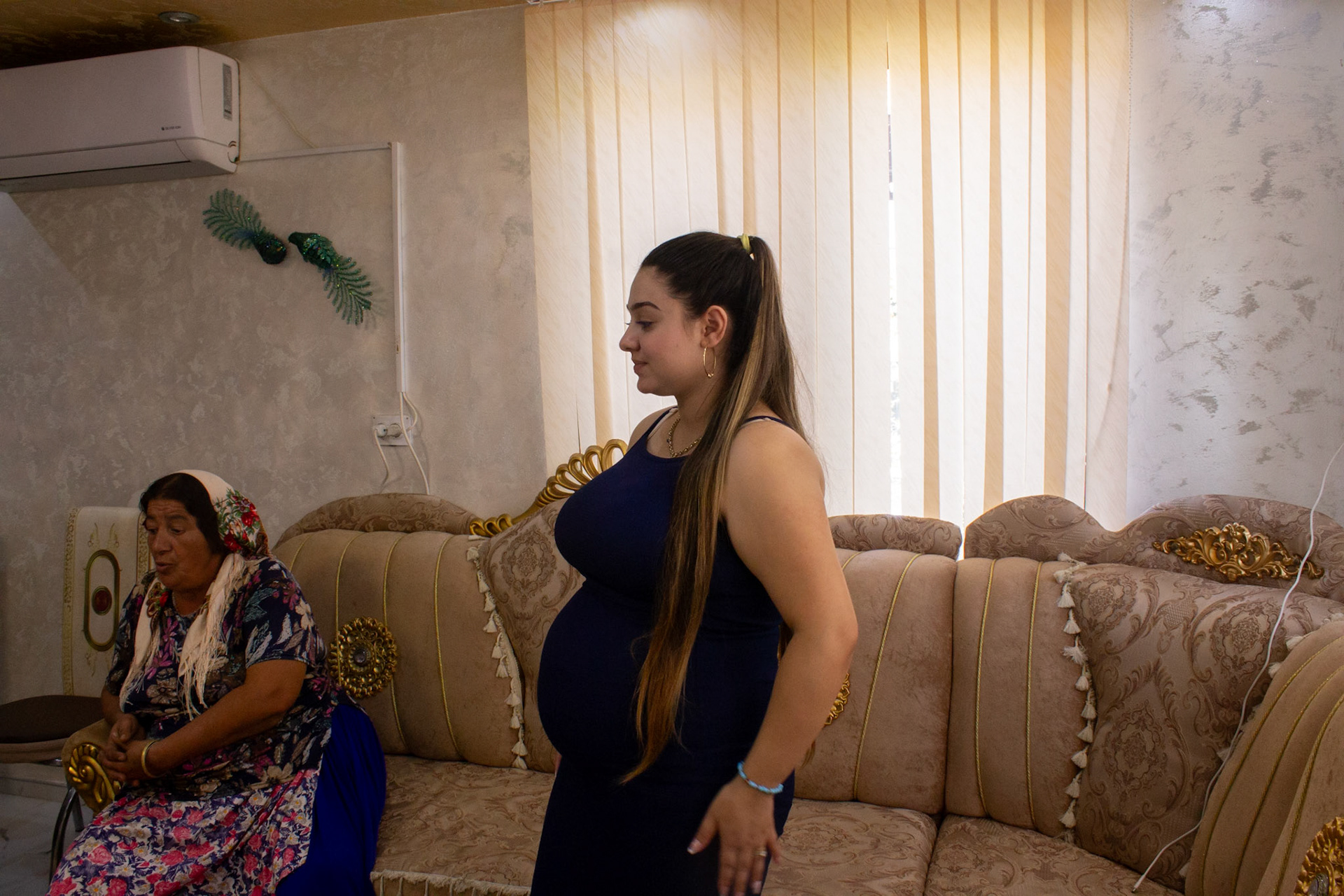
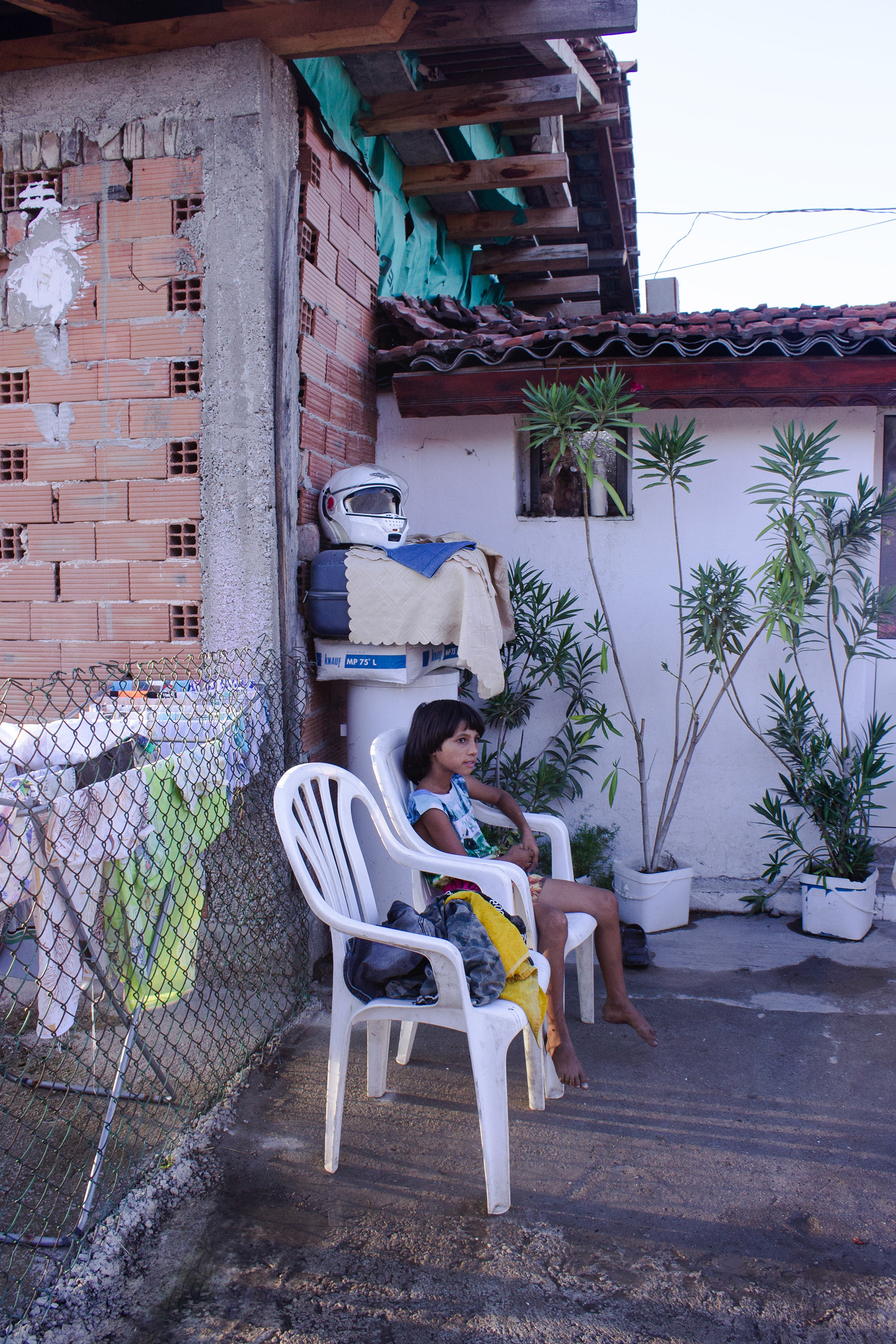
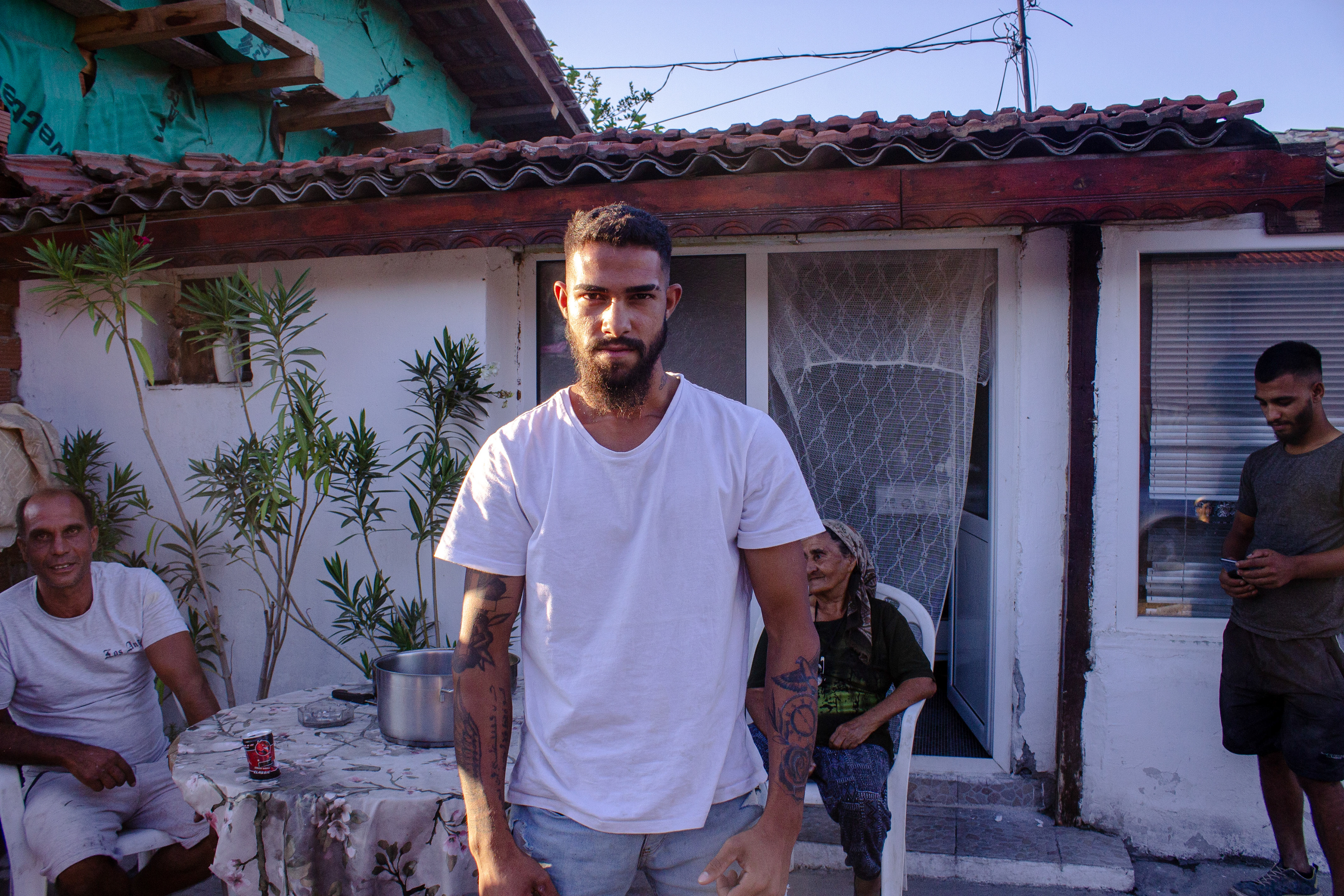
For centuries, Roma communities across Eastern Europe have preserved traditions that have largely disappeared from contemporary European societies. Despite decades of discrimination and social exclusion, many continue to uphold customs that shape marriage, family life and community identity.
Among them, the Kalaidzhi are one of the most conservative Romani communities in Bulgaria and the only known group to hold an annual Brides' Market. Traditions surrounding marriage, including female virginity before marriage, early marriage, the bride price and marriage within the community; continue to play a central role in everyday life.
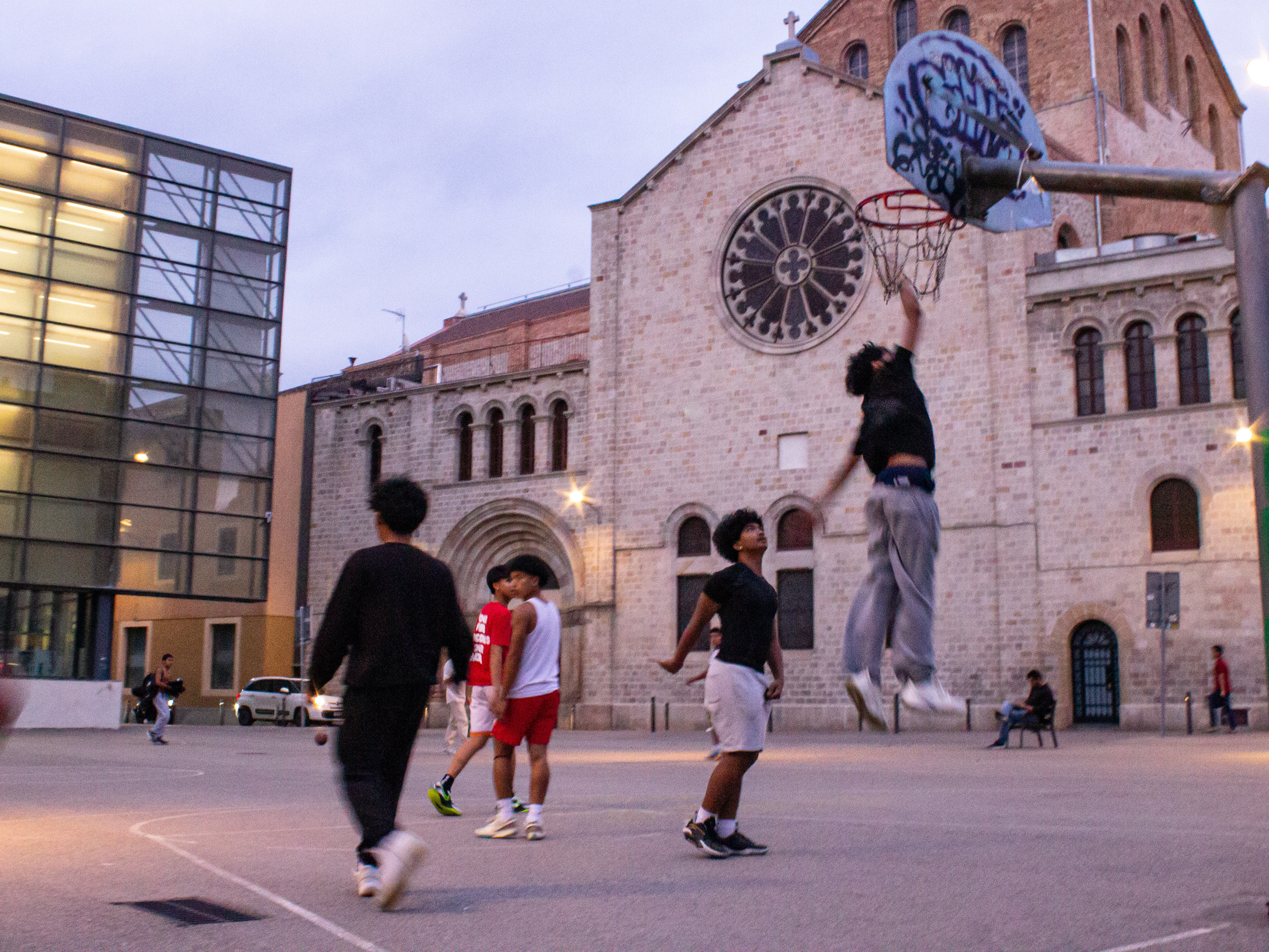
Yet these traditions are also changing. Globalisation and social media have transformed the way younger generations meet, and marriages are increasingly taking place later than in previous decades. As a result, the Brides' Market is gradually losing its significance. While some customs evolve, others remain deeply rooted, reflecting the complex negotiation between tradition and change.
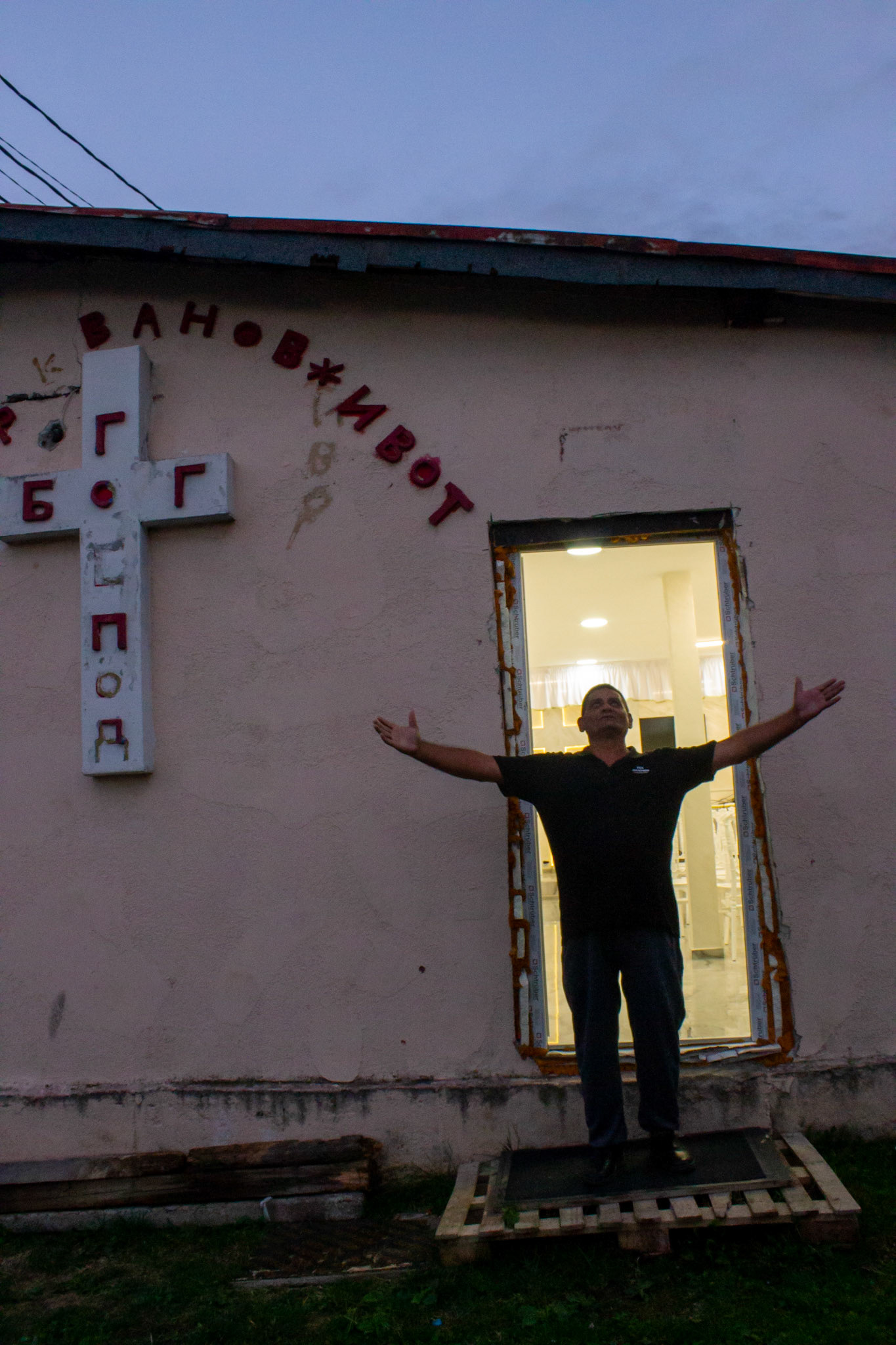
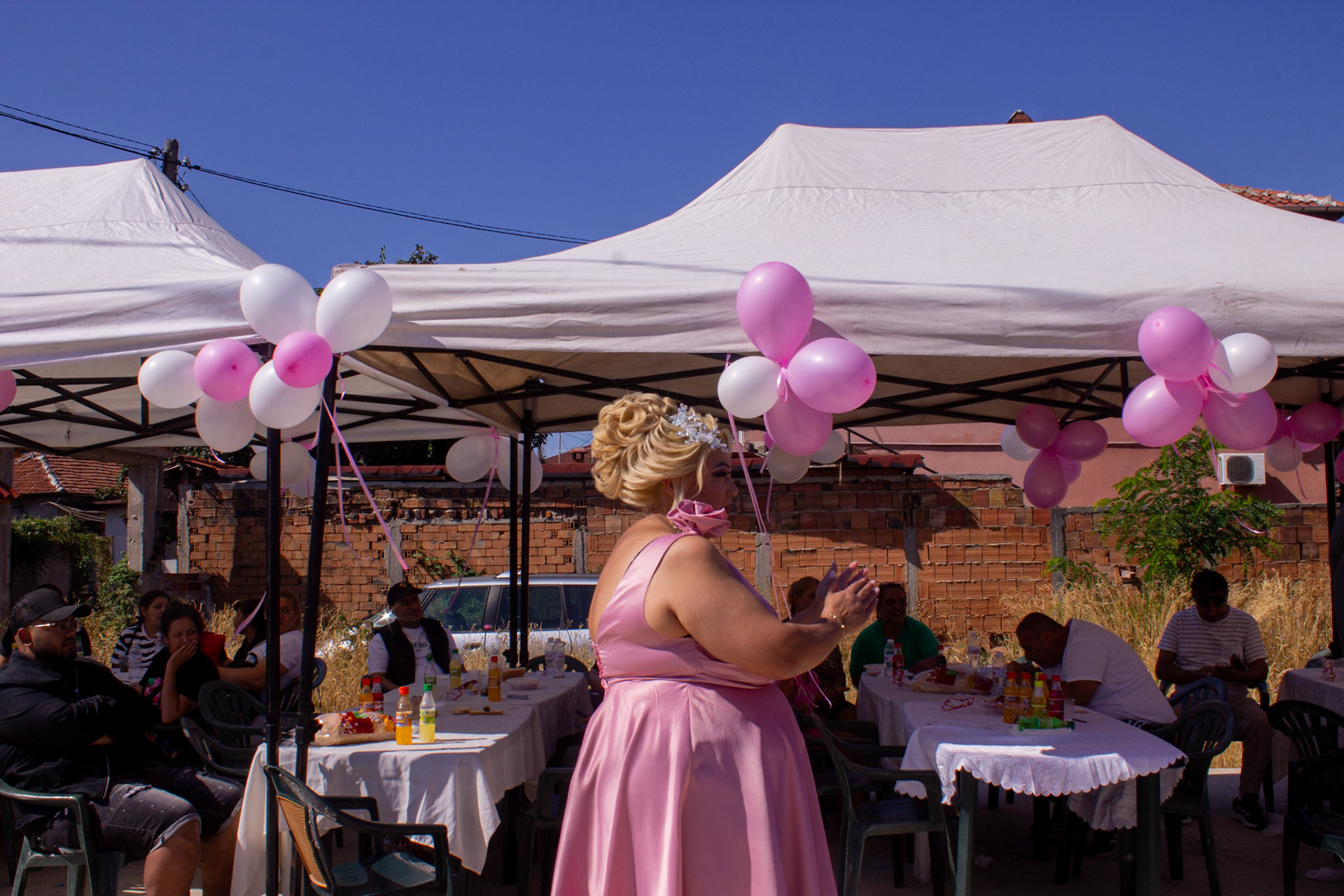
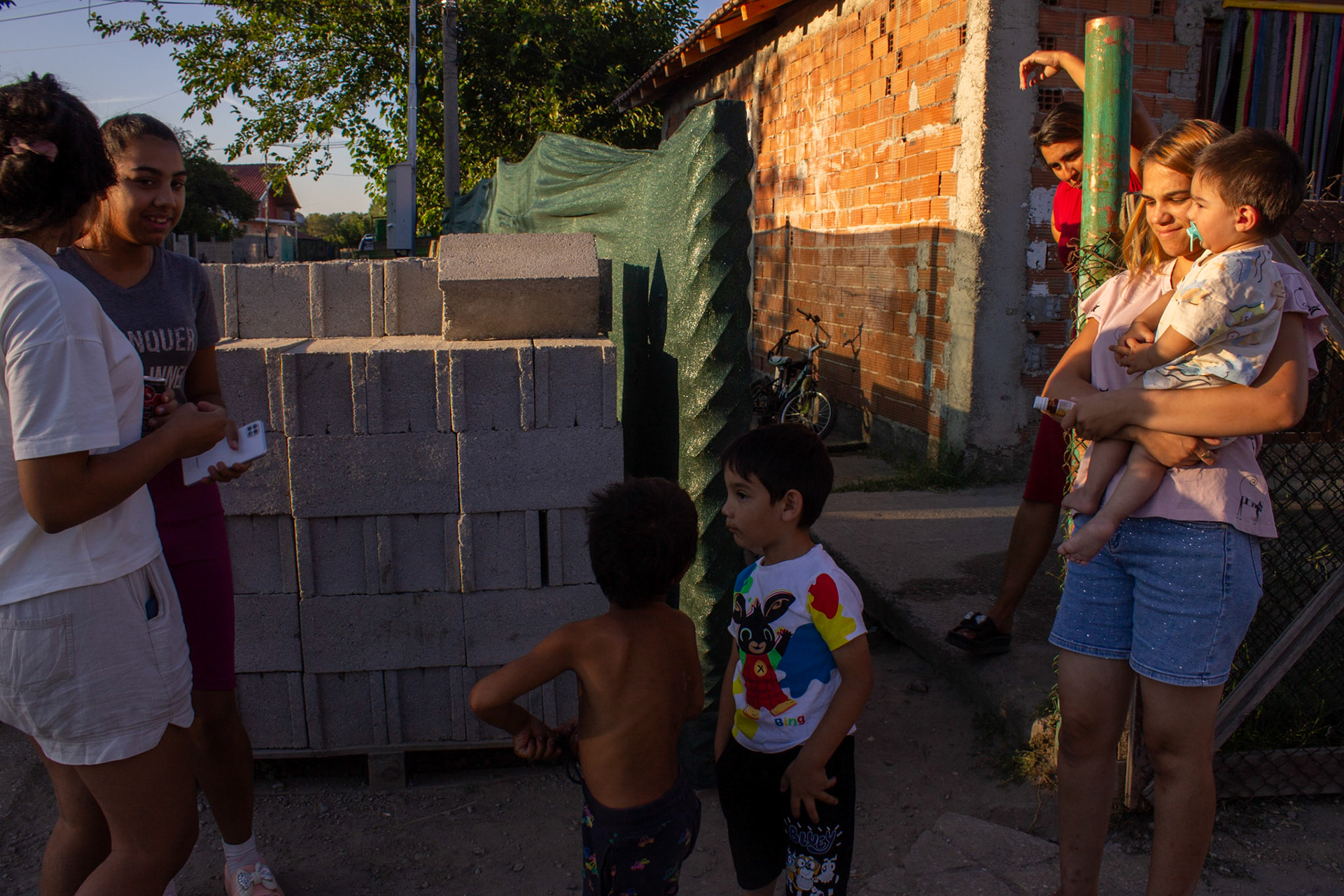
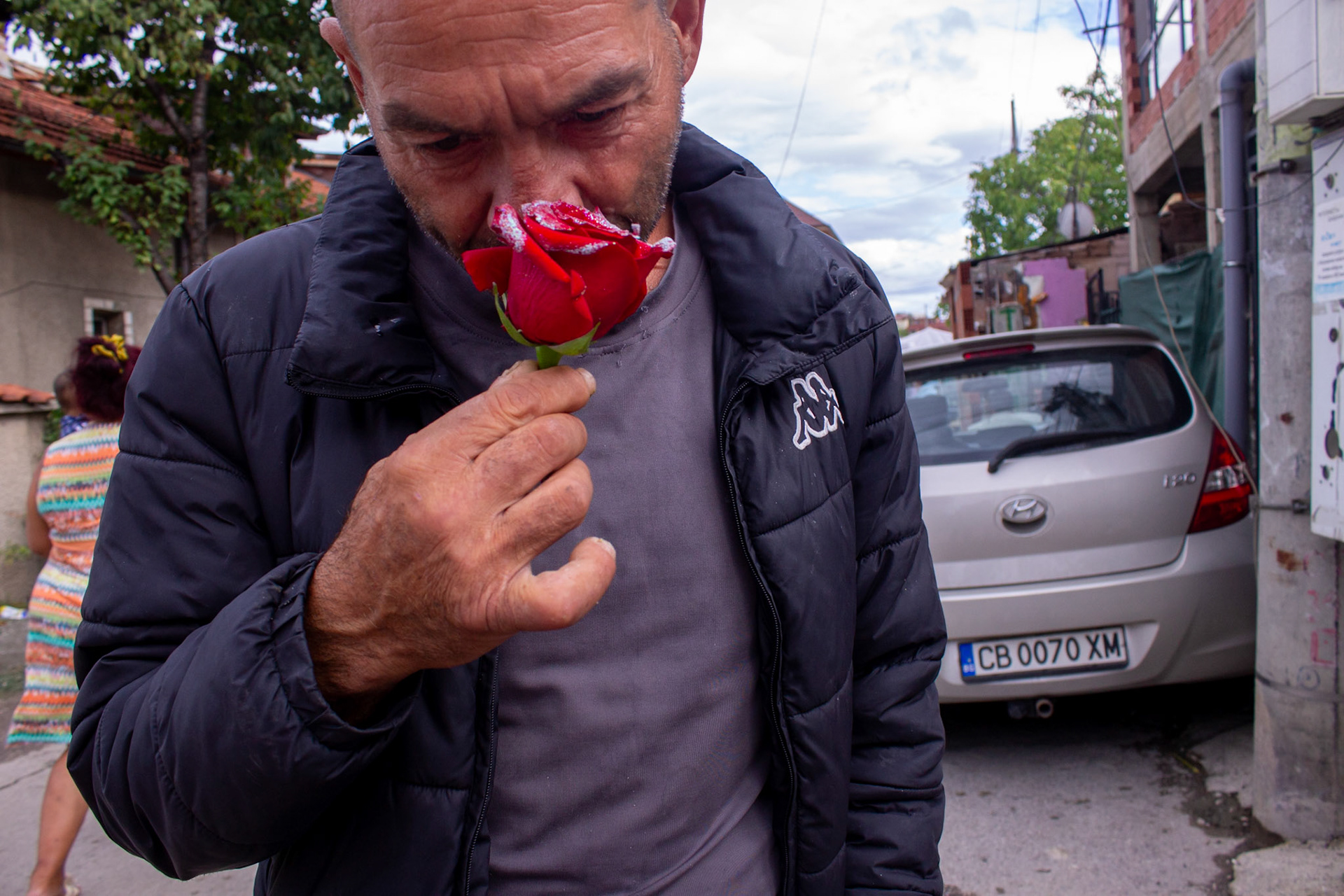
Through everyday life in several Romani communities across Bulgaria, this project explores the resilience of marriage traditions and the expectations placed upon young women and men, documenting how cultural identity is preserved, adapted and redefined across generations.